
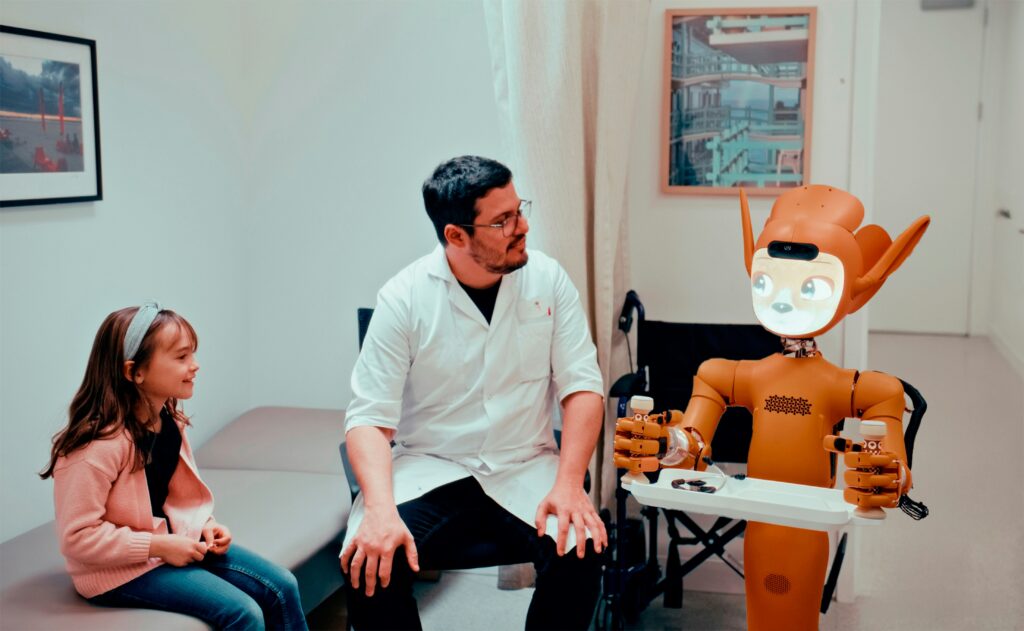
In 2026, AI can become a day-to-day partner that helps healthcare professionals get the job done more efficiently. So the question is, how can we use AI in a way that not only supports patient safety but actually makes a positive difference in their experience?
Using AI to Create Healthcare Content
The information we put out there about health plays a huge role in public health. Patients are constantly searching for answers online, trying to make sense of symptoms, treatments and what to do next. And that’s where AI can start to lend a hand to healthcare organizations and professionals. By using it to help plan out useful content that actually answers the questions people are asking, you can really make a difference.
Tools powered by AI can be super helpful for coming up with ideas for your blog posts, doing keyword research, and structuring your articles. We need to be clear here: AI isn’t writing medical advice, and it’s certainly not replacing the expertise of a real doctor. Rather, it can help with the little things like grammar checks, SEO optimization, and clarity improvements. Used right, AI for content is a partner that helps professionals communicate better.
Smart Revision and Learning Schedules That Actually Work
Healthcare education is a real challenge, especially when you’re trying to balance theory with hands-on training. Without a clear plan, it’s way too easy to feel overwhelmed or fall behind.
AI can help design a personalized revision and learning schedule that fits your time, goals, and progress. This is especially important in structured training paths, if you’re working on a program like getting your paramedic certification at Royal Ambulance. With the right schedule in place, learning actually becomes manageable and effective, too.
Assisting With Diagnosis
One of the most promising things we can do with AI in healthcare is to let it quickly scan through huge volumes of medical data and then compare it to thousands of other cases. By spotting patterns that humans might have missed, AI systems can help clinicians make better diagnoses and more informed decisions.
This matters a lot because misdiagnosis remains a significant problem. Research has shown that women are about 66% more likely than men to be misdiagnosed, often because clinicians are working from incomplete information or are influenced by bias. AI can help address this by comparing symptoms to a wide range of similar cases, so that important details aren’t left out. AI doesn’t replace clinical judgment, but it provides some extra insight that can help clinicians make better decisions.
Making the Patient Experience a Whole Lot Better
AI can also make patient interactions with healthcare systems much easier. Chatbots and automated assistants can help people book appointments, answer simple questions, and guide them to the right resources. This takes some of the pressure off the staff while getting patients the information they need faster.
When designed right, these tools know when to step in and when to step back. This combination of tech and human support improves efficiency without sacrificing the care and trust that patients need.
When we use AI responsibly in healthcare, it can really make a difference, helping education, improving communication, and making clinical decision-making a whole lot smarter. The future of healthcare is about smarter collaboration between people and tools that are designed to help them do their best work, not about automating medicine.





Leave a Reply